The Model
How I sustain myself. The pattern's yours if it's useful; the bus is mine.
This is how one man keeps himself going: off-grid near Grass Valley, near-zero burn, giving the work as a gift and letting support find me through recognition, not price.
One thing up front, because it changes how to read the rest: this isn't a model to copy. I can't hand you my bus or my solar — they're mine, built from my salvage for my ground, and you wouldn't want them. What might travel is the pattern underneath. Read it as one man's working life, and watch for the shape, not the parts.
The pattern, if it's useful to you: own what you depend on, so money stops being the boss · give your work as a gift, and let support find you through recognition, not a price · need less, so "no" stays cheap and the gift stays a choice. That runs on any ground. Mine's a bus and salvaged solar. Yours will be something else.
The whole thing in one breath
I keep what I need to live small and owned, so money stops being the boss of me. That low cost is the engine. It lets me say no to bad jobs, give my work away as a gift without keeping score, build things once that keep serving after I walk off, and work in a rhythm my body sets instead of one the bills set. Everything I do is given freely. What comes back isn't a price — it's recognition: people who keep me fed, a good word that travels, support handed to me because I'm worth having around. The support comes last and that's normal — I just keep an honest eye on the gauge so "last" never quietly turns into "never."
That's it. Everything below is the parts.
The seven layers

The Ground — what I own outright
My roof, my power, my water, my ride are already one paid-for thing.
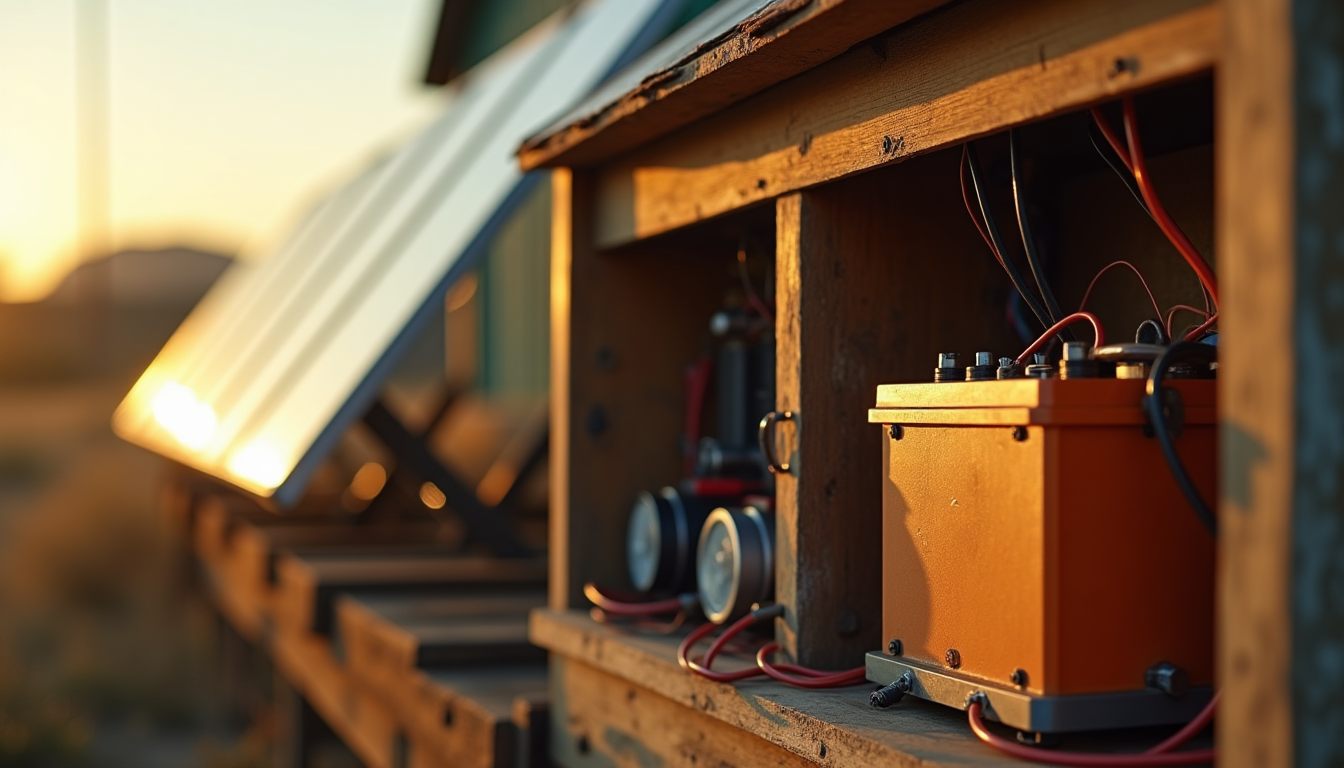
The bus is my house and my generator. It moves with me and powers wherever I land. The 15 kWh of battery, the 10 kW inverter that's already live, the 2.6 kW of solar, wired up and running — that's my power station, and the motorcycle charges right off it. The power it makes feeds wherever I'm parked, not just the bus itself. The 12V pump and the accumulator tank I built give the place running water on demand. A panel wired to a fan moves air through whatever structure needs it. Most of that came from gifts and salvage — paid once in scrap, runs free forever after.
The point isn't the bus. It's that when the meter doesn't run on me, a slow month can't sink me. My real cost of living is close to nothing. The rent I pay isn't dollars — it's being someone people want around, and that rent's already paid. So a thin bank balance isn't a panic number. With almost nothing going out, a little money is months of runway.
The rule under all of it — and this is the part that travels: own what you depend on, and you barely need money. Power, water, shelter, transport — get those onto things you own outright, and money stops being the thing you chase. It becomes a thing you choose. My version is a bus and salvaged solar. Yours is whatever puts those costs under your own roof.
And before I do anything that touches the public — handing out food at a gathering, a workshop, a structure for a neighbor — I spend the boring couple hours finding out what's legal and licensed where I am. Even a gift can need a permit. Check it early, before you build a thing the county can shut down.
I set the place up so a bad week makes it idle, not collapse. If I'm sick or gone three days, the solar still runs, the water's still there, nothing rots. One alarm on the one thing that would actually wreck me, and everything else can just sit and wait. A life that coasts when I step away is what lets me rest without fear.
The Hands — the work I give
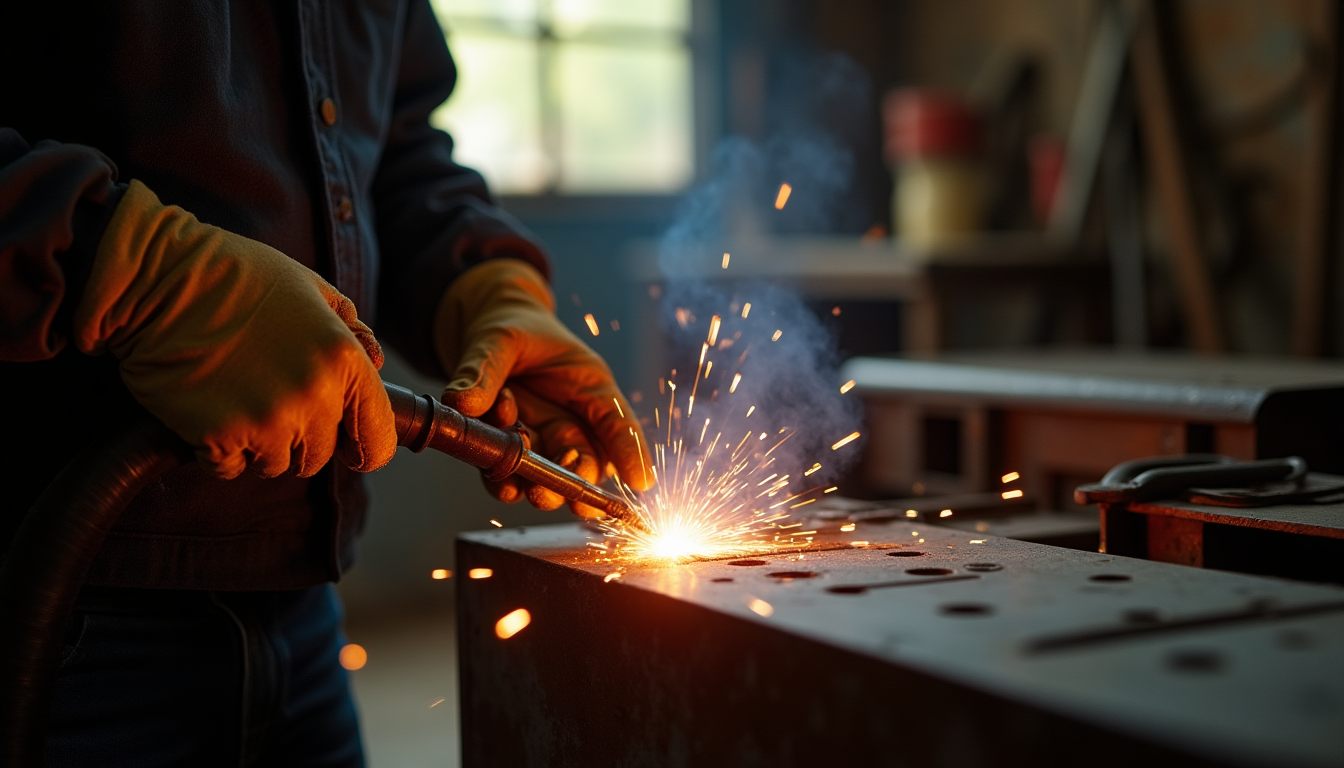
My trade is the thing that travels — welding, repairs, building, off-grid systems, the skills I carry in my hands. I give this work. What comes back — support, a meal, dollars handed to me freely — comes back because the work was good and the people want me to keep going, not because I set a price. (Yours will be some other trade. The move is the same: give the thing you're good at, let recognition do the rest.)
Two things about how the work lands.
Give the whole thing, not just the wood and hours.
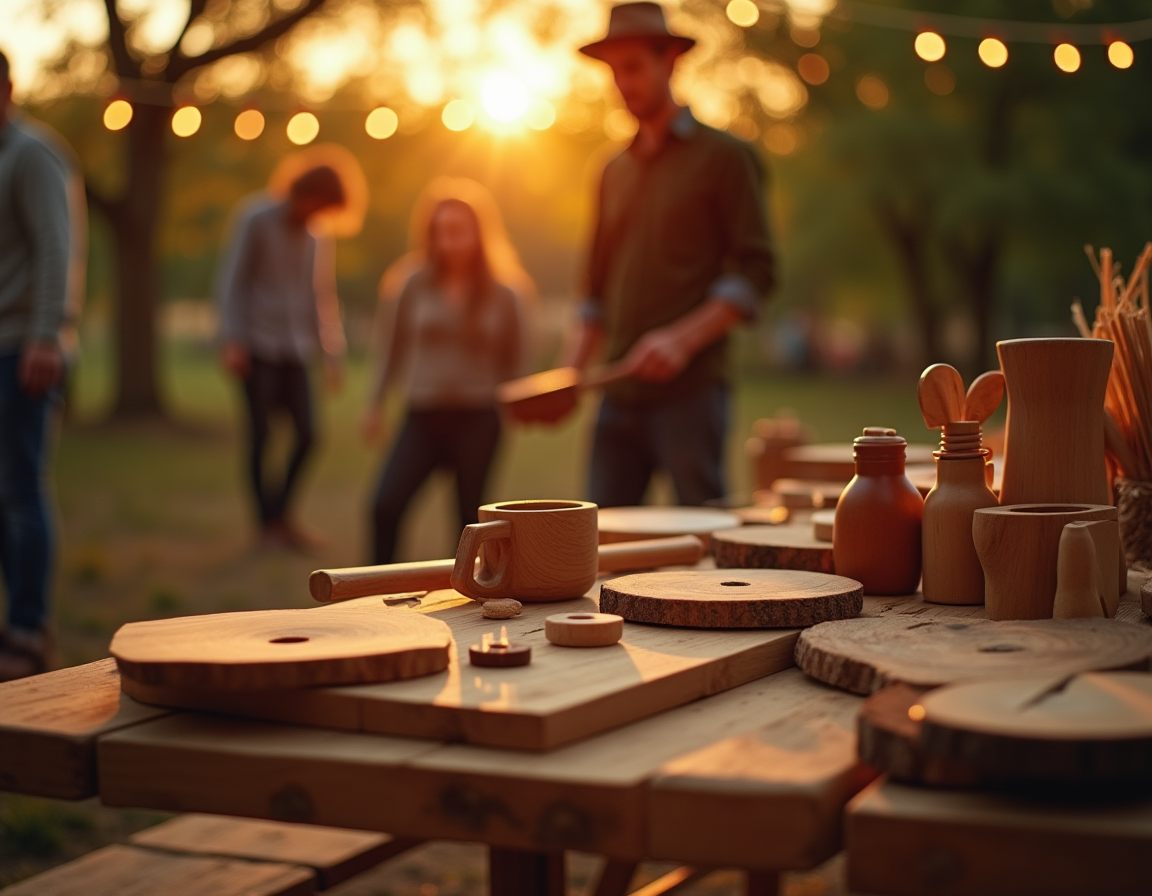
Something somebody watched me make, with the story attached — "I made this fifty feet from here, with my hands" — lands harder than the same thing off a shelf. The freshness and the watching are part of the gift. The thing isn't just the object; it's the object made in front of someone who now wants it and remembers who made it.
Lead with the fast, easy, low-risk work. Don't bet the rent on the showpiece.
The big ambitious build is my big swing — high worth, but slow and risky while I'm thin. The small, fast work — repairs, quick builds, easy favors — that's the stuff that gets seen next week and brings support back fast. I let the steady, easy work keep the support flowing, and let it fund the time it takes to build up to the big piece. The beautiful slow thing comes online once the easy work is already keeping me fed. Never make the hardest thing carry the rent first.
One honest note about the work: when I give things away or host at gatherings, the giving and hosting is real labor on top of the making — setting up, talking to everyone, handling the table, cleaning up. That's a day of work, not a free bonus that comes with the table. I either build it into my day, get help, or keep it small. I don't pretend it's effortless because the building's done.
The town-weeks work — house-sitting, pet-sitting, helping neighbors — is part of the hands too. Small, real, chosen work that often comes with support attached while the pace is light.
The Vault — what I build once that keeps serving
This is the most important part for a one-man operation, and it's the easiest to skip.
The best work I do is the work that keeps running after I walk away. I set up water pressure — pump and tank — and now an automatic watering system runs on top of it. The place waters itself without my hands ever touching it again. I did it once. It serves every day now.
That's the difference between a job that owns my hands forever and a thing I build once that keeps serving. Every guide I write, every jig I build, every template, every thing that does its job without me — that's one more thing working while my hands rest. One more worry lifted off the one body that has to carry all of them.
So when I help someone, I give the kind of help that doesn't need me again. A written how-to. A finished jig. A checklist they keep. If they can use it without calling me back, I actually gave a gift. If they have to keep calling, I didn't give a gift — I made myself into another unpaid phone call.
And the order matters: build the thing that does the job first, THEN step back. Write the guide, then stop answering that question by phone. Make the product, then stop trading your hours for it. Build the bridge, then walk off — never walk off first and leave a hole.
Every cycle, I ask one question: what's running now that used to need me standing there? If that list is growing, the vault is working.
The Face — how my name gets around
What comes back to me comes in two forms, and only one of them is dollars.
One is the support — the meal, the place to park, the dollars handed over freely. The other is my name traveling — the help I give and the clean, visible work I put out is exactly what makes the next person seek me out. The guide I posted isn't a giveaway I'm hoping to recoup. It's a real gift — and a real gift is exactly what makes a stranger trust me enough to want me around.
I plant my work where people already gather. I don't have to go drum up custom and explain myself a hundred times — gatherings on the land, a market day, a workshop weekend. The crowd carries my name for me. The same table I'd haul to a craft fair lands harder right here, because they watched me make it and they're already standing in front of it.
When I show up somewhere new, people hand me a label fast — "you're the welder," "you're the handyman." Taking it feels safe and gives instant standing, but it caps me at the size of that one box, and they pick the box before anyone knows what the place actually needs. Because my ground is paid for, I can afford to show up without locking into one slot. I keep my eyes open for where the place is actually a mess, and put my hand there. It's usually not where the label pointed.
A plain honest status page is my face made real: where I am, what my setup is, what I offer (the half-day, consultations Wednesday and Thursday, gift offerings), and an open way for anyone who wants to to support the work — give what it's worth to you, or nothing. No ledger, no per-person accounting, no price. Just: here's who I am, here's how to find me, and here's where to put support if you've got it.
The Mesh — the web I'm plugged into
Here's the smartest thing I've done, and I did it on purpose: I plugged into a place someone else already holds, instead of building my own from scratch.
The way a one-man operation grows past one man is not "make yourself bigger." It's: find a place that already exists, already has a boundary, already has people who need what you do, already held steady by someone else — and root into it. The commons I'm rooted into right now is exactly that. I didn't build it. I arrived into a place already standing and I pour my skills and my order into it. For a guy with a strong back and not much cash, that's the move: don't spend years and money building a container. Deposit your gifts into one that's already up. (The one thing to watch: it has to be a real commons held by a steady hand — not you leaning on something shaky.)
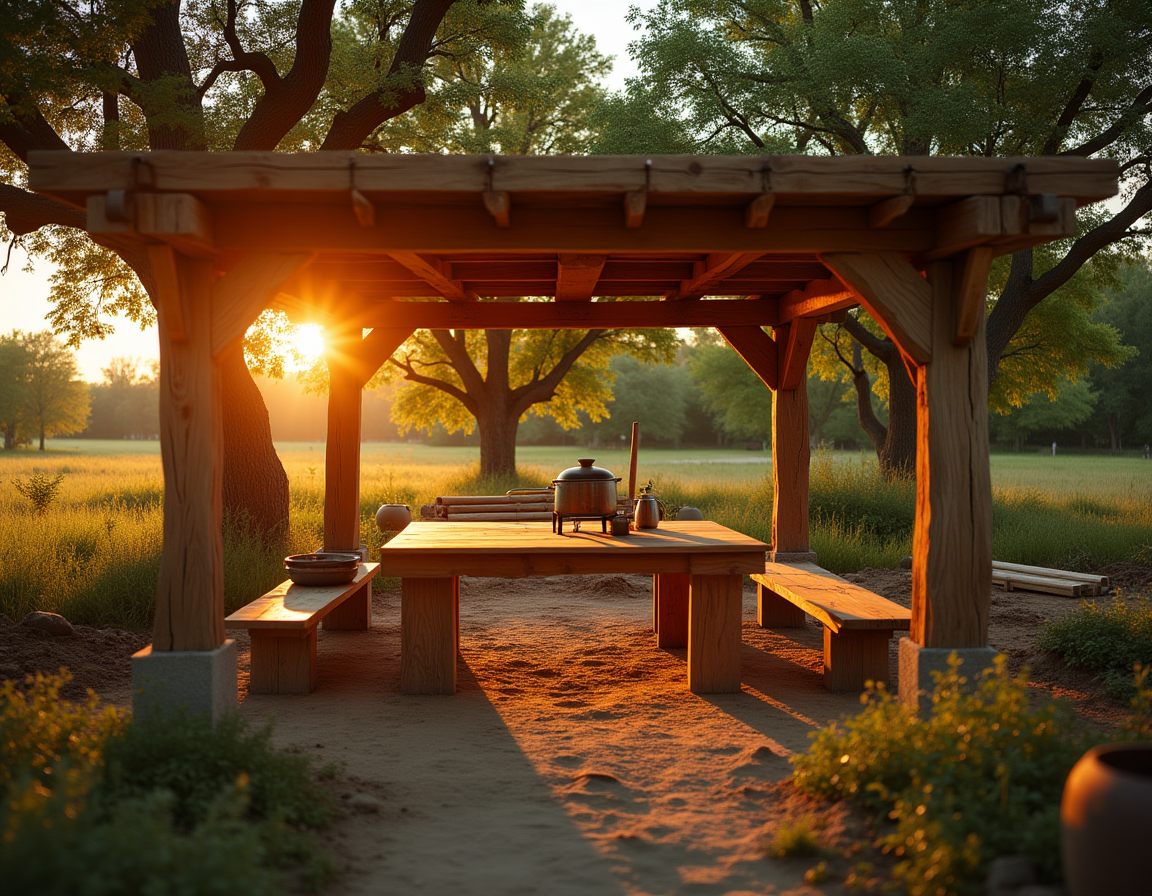
And the heart of it — the place I feed is the same place that feeds me. I help build the outdoor kitchen, the gathering tables, the fire. I give it because it's good to give, and that same place is what then draws the people who keep me fed. I'm not running a business on one side and being generous on the other, the two of them fighting over my time. It's one circle: I make the place good, the good place draws people, the people keep me fed. There's no giving-versus-earning to pull against each other, because there's only one thing here — I give, and support comes back around.
There aren't two lanes. It's all gift — and the support that comes back is also a gift, freely given. I don't trade. I don't price the work and I don't tally what anyone owes. The one line I hold is between a gift, which leaves no debt, and a deal, which does. The moment it curdles into "you owe me one" — a favor I'm now collecting on, a string attached to the thing I gave — it's stopped being a gift and become a transaction, and that's exactly where neighbors fall out. So I give clean: "take what's useful, leave the rest," no string, no scoreboard. And I take support clean too — as a gift back, not a payment owed. No debt in either direction is what keeps the whole circle clean.
One more thing the mesh is for, and it matters more than trading favors: it's the second set of eyes on me. My gut tells me when something's costing too much — but the very thing that wears me down (tired, broke, stretched) is the same thing that breaks the gauge that's supposed to warn me. A worn-out body says "I can take one more" right at the point where it can't. So I want someone outside me — a neighbor, a partner, a friend on the land — who can look at me and say "you're running yourself into the ground" when I can't feel it myself. Not somebody who runs my life. Just a second sensor that doesn't go dim when I do.
The Brake — what keeps me whole
This is the part that keeps the whole thing from grinding me down. And here's the surprising piece the year taught me: for a one-man operation, work pace is a safety question, not a productivity question.
The thing that ends a one-man show isn't doing too little. It's holding one more live worry than you can keep track of — and the one you dropped is the one that bites. On a jobsite that's the unguarded edge nobody flagged. In a life like mine it's the bill, the person waiting on me, the truck, the deadline, all live in my head at once. So I count the worries. I write down how many can't-let-go, can't-hand-off worries a job actually loads on me. That number is my real ceiling — not my energy. And I count it on a bad day, not a good one. A good day can carry extra, but I don't build my life around my best day. If a job piles on more worries than I can safely hold, the honest answer is: don't run them all at once, even if it means earning less.
My low cost of living is what makes the brake affordable. When you don't owe much, "no" is cheap. The guy with the $2,500 mortgage can't say no to a bad job. I can. I pick the work, I give what I choose to give, I walk if it's wrong — without anyone going hungry. Owning my stuff isn't just comfort. It's what lets every yes stay a real yes and every gift stay a free one.
So I hold a half-day floor: about a half-day of work a day, given to the farm, and that's the line. Holding the line isn't lazy or stingy — it's the thing that keeps me from becoming the guy who can never say no and burns out doing free work for everybody. Low burn is what makes "no" affordable.
And the two-on, two-off rhythm: two weeks on the land building and farming, then two weeks in town — bike in on the motorcycle, house-sit, pet-sit, help neighbors, lighter load. The build half and the recover half don't bleed into each other. That's my body setting the calendar instead of money setting it.
I watch the hidden costs. The small job that eats two days of callbacks. The "quick favor" that becomes my problem forever. The scope creep. I'm honest with myself about the whole cost of a thing before I take it on — and honest with the other person too. Name the full cost before you say yes.
I keep some of my work flexible — the kind that lands anytime, anywhere. I don't pour everything into one big weekend. If I build six showpieces for one gathering and it rains out or comes up thin, I'm stuck: I can't unbuild them, and a random Tuesday won't draw the crowd that a gathering does. Things I can keep on hand, things I can ship, repairs people always need — I keep some of that going so one bad weekend can't sink the month.
And I don't run too many fronts on one body. When two problems get welded together — the safety thing and the money thing, the favor and the work I'm in the middle of — I separate them, and let some of them leave my hands.
The Mind — the part that keeps my head clear
All the bookkeeping — what got done this cycle, whether any support came back, whether I stayed inside my half-day, what's now running without me, who asked for what — gets carried alongside me, written down, ready when I want to look. It doesn't have to rattle around in my head while I'm trying to build a table. A simple booking page beats a hundred texts. My head stays clear for the work.
And here's the realistic gauge I keep on the dash: support is the last thing to show up, and that's normal. First people see the worth. Then my needs get met — welcomed, fed, a place to park, water. Then the dollars come, lagging behind, as recognition catching up. I don't panic that they come last. But I keep one honest check running: every cycle, did any real support come back — a meal, a hand, dollars? If two cycles go by and nothing came in, I say so plainly and look at it straight — as data on the gauge, not as failure, not as a reason to grind harder. The point of needing little isn't to need nothing; the gift still has to feed me back, or it quietly bleeds me out. I don't panic and I don't pretend. I just read the dial.
The move that ties it together: need less, not earn more
Most people try to get free by earning more. I'm doing it the other way, and it's the stronger way: get free by needing less. This is the center of the pattern — the one thing I'd hand anyone.
Earn more
the common way
- Chase more money
- Take any job to get it
- Grind whatever hours it needs
- Your free help curdles into a trap
→ caught
Need less
the stronger way
- Own what you depend on
- Burn drops near zero
- "No" stays cheap
- The gift stays a free choice
→ free
The near-zero burn and the owned bus and solar aren't just a frugal lifestyle. They're the engine. They're what lets the half-day stay a half-day, what lets the gift stay a gift instead of curdling into unpaid obligation I can't escape, what lets me walk away from a bad deal. If I needed a lot, I'd have to take any job and grind any hours, and my free help would turn into a trap. Because I keep my needs tiny, my generosity stays a real choice. The bus is just my way of getting there; yours will be your own.
The other half of the same move: be needed for less, not for everything. There are two ways to be needed. One — nothing happens without you; every job, every question runs through your hands. That feels like being valued. It's a trap: the whole operation is capped at what one body can carry, and the day you're hurt or gone, it all stops. Two — you build things so they run without you in the middle, and you keep only the one gate that should stay yours: your name, your yes-or-no, your quality stamp. Everything else routes around you. A life that gets worse the more it runs through your hands is a monument with a man buried under it. I keep asking, cycle after cycle: is the count of things that can't happen without me going down?
The flywheel: one setup that feeds the next
Watch how it compounds. I built the pump and tank — one fixed cost, paid once in salvage. On top of that, the automatic watering system got built — now the place waters itself. The water I set up freed my hands, and my freed hands can build the next thing. That's the wheel: each thing I put down becomes the floor the next thing stands on.
Same with the support. The fast, easy work (boards, repairs, stools) brings back enough to free the time to build up to the showpiece. The showpiece, once it lands, brings back enough for tools and time for the next bigger thing. I don't make the hardest thing carry my living — I let the easy work buy me up the ladder, one rung that holds the next.
And I phase it to the calendar. If the land has a fall gathering, I back up from that date and have my best pieces finishing that week — fresh, ready, peak. Between the big weekends, I keep a steady trickle going so there's always a little coming back. Aim the big swings at the days the crowd is biggest; coast steady the rest of the time.
Compounding over the years
Year one this looks like: a strong back, fast easy work that brings support back quick, a half-day given to the farm, my name starting to travel. Lean, careful, real.
But every guide I post, every jig I leave, every self-running setup I build, every neighbor who vouches for me — those don't reset each year. They stack. Three years in, more of what feeds me comes from things I already made and less from my back being on site that day. The list of things that run without me gets longer. The list of people who'll vouch for me gets longer. My hands carry less of it and my past work carries more. That's the whole arc: I spend the early years building the things that buy my body back, one at a time.
The pattern itself is the gift
The last free thing — and maybe the biggest — isn't my bus or my specific setup. It's the shape: own what you depend on, give the work as a gift, need less so "no" stays cheap, build things once that keep serving. That's what I can actually hand you. The infrastructure stays mine — you wouldn't want my salvage anyway. The way of living is the part that travels.
It costs me nothing to give, because it's already built — it's just my life written down. And it does two things at once: it helps the next person who's where I was, and it shows exactly who I am and how I think, without me selling anything. That's the cleanest face I've got. The playbook is the introduction. Take the shape, leave the parts — and run it on your own ground, not mine.
The written-down pieces — guides, checklists, the things you can take whole and use — live in the toolkits. Take what's useful, no attribution needed.
One man. One owned life kept small on purpose. Everything given as a gift, nothing priced, nothing owed — and support coming back the same way, freely, never a trade. Things built once that keep serving. A body-set pace no bills get to override. And the dollars trailing behind as recognition catching up, watched honestly, allowed to come last but never to vanish.
Same form. Different ground. Take the pattern, build it where you stand.
That's the whole thing in plain terms. The structural theory under these seven layers — the geometry, the evidence, the parts I can't prove yet — lives in the Library.